PRM vs CRM: what's the difference?
A CRM is a glorified database your company owns. A PRM keeps track of the people behind your book. Here's the difference.


In this article
Nobody ever won a client because their CRM was up to date.
Business comes from relationships, and relationships live in details no CRM has a field for. Mash is a PRM — a Personal Relationship Manager. It keeps track of your people, so you don’t have to.
Your rolodex is the asset
Everything looks the same now. It may manifest itself as three software vendors, three demos, roughly the same feature list. Three advisors with roughly the same portfolios and fee schedule. Three brokers with access to the same listings. When the offer looks the same, people go with whoever they trust.
Which means your rolodex is what carries you through your career. It lands you the next deal, the next contact, the next job. And right now most of it lives in your head, your inbox, and a stack of post-it notes. Nothing at work is protecting that asset. That was never the CRM’s job.
What a CRM actually does
Salesforce invented the CRM back in 1999, and for 1999 it was a real breakthrough: a shared database in the cloud, so a company could finally see its own pipeline. It still has a place.
It’s also, twenty-five years later, one of the most hated tools in the working world. Ask anyone who carries a number. It’s admin. Required fields, activity logging, hours a week of typing things in so a manager can run pipeline review. A glorified database where you do the data entry and someone else gets the value.
And the design tells you who it’s really for:
- It’s shared. Your manager reads what you log. Which is exactly why nobody writes the real notes in there.
- It’s organized around companies. When your champion changes jobs, the CRM doesn’t follow her. She’s now a stale row at a company she left.
- There’s no field for the stuff that matters. Deal stage, amount, close date, sure. Personal cell, favorite team, career goals, the daughter’s recital? Nowhere to put it. So it lives in your head until it doesn’t.
- It’s your employer’s. Your college roommate and the friend who sends you a referral every year don’t belong in it. And when you leave, it stays.
What a PRM actually does
First things first: no, not that PRM. Nothing to do with partner portals or channel software. A Personal Relationship Manager works for you, the person, and it flips every choice the CRM made:
- It’s private. Yours, not a team dashboard. Nobody reads your notes, so you can tell Mash what you actually think.
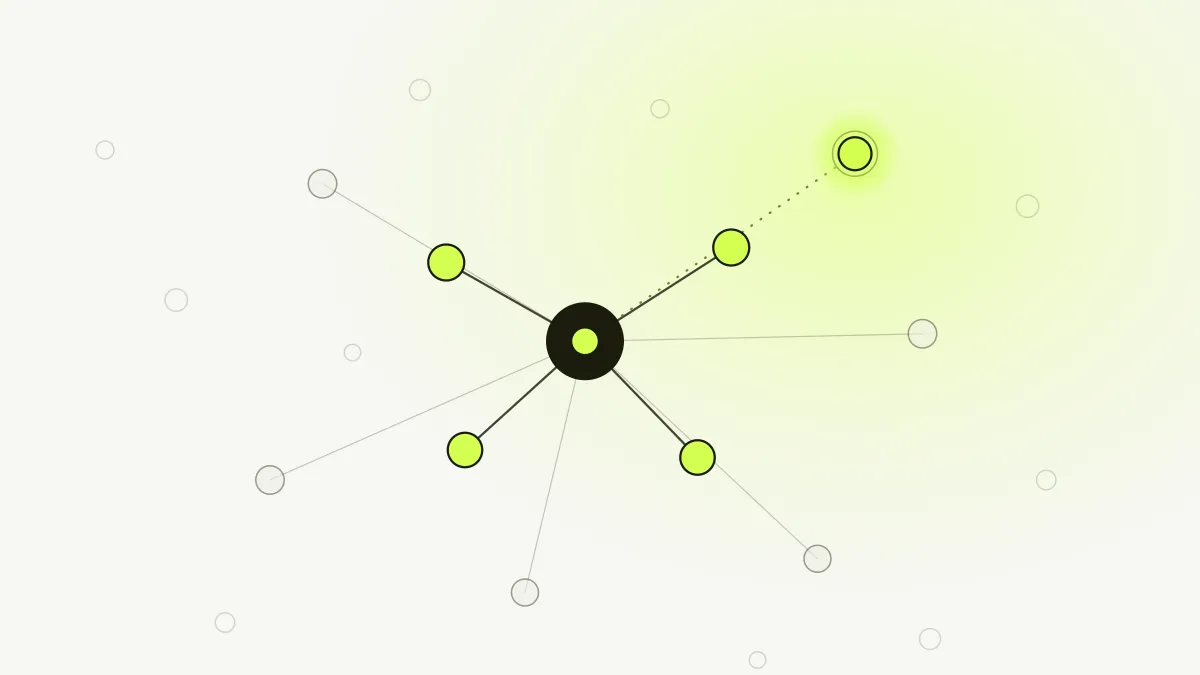
- It’s built around people. When someone changes companies, the relationship comes with them. The relationship was never with the logo.
- It’s heavy on the little things. The personal number they gave you. The team they live and die with. Where they want their career to go. That the recital is Saturday, and that asking about it Monday does more than any follow-up sequence ever will.
- It does the work. Mash plugs into your email, calendar, and meetings and builds the memory itself. It preps you before meetings, flags relationships going quiet, tells you when a contact gets quoted in an article or changes jobs, suggests the right event to bring someone to, and drafts follow-ups in your voice.
- Capturing the rest takes seconds. The stuff no system can see, you say out loud. Walking to your car after the dinner: “Dana’s raising again in Q2, her son just committed to Michigan, she wants an intro to Mark.” Mash files it to the right contacts, in the fields you’ve told it matter. No form, nothing to click through.
- It covers your whole network. Personal and professional. Your best referrals don’t come from an account record. They come from friends, old colleagues, the guy from the wedding.
One thing about the personal stuff: it only works if it’s genuine. Knowing their favorite team is useful if you actually watch sports. If you don’t, it comes out hollow, and clients see through hollow instantly. So Mash isn’t handing you a script to fake common ground. It maps where you and each contact genuinely overlap — the team you both follow, the city you both lived in, kids the same age — because that’s the stuff you can actually bond over.
You can stay on top of maybe your top 20 contacts in your head. A PRM is how the other few hundred don’t turn into strangers.
PRM vs CRM at a glance
| CRM | PRM (Mash) | |
|---|---|---|
| Built for | The company | You |
| Visibility | Shared. Your team and manager see everything | Private. Your notes stay yours |
| Core unit | The account | The person |
| Level of detail | Deal stage, amount, close date | Personal cell, favorite team, aspirations, the recital on Saturday |
| When someone changes jobs | Contact goes stale under the old account | Relationship follows the person |
| Scope | Work only, and only what the company tracks | Your whole network, personal and professional |
| Who does the work | You. Data entry, logging, updates | It. Listens, remembers, preps, drafts |
| Time horizon | This quarter | Your career. Next deal, next contact, next job |
| When you leave | It stays | It comes with you |
| How they fit | System of record | Works alongside your CRM |
Why we’re building Mash
We didn’t start with a product. We started with conversations. Advisors, brokers, fund managers, enterprise reps. The same problems came up over and over, almost word for word.
The information that actually drives their relationships has no place in the company CRM. So it lives in their head, in notebooks, on scattered post-it notes. Which means it all depends on one thing: them staying on top of it.
And there’s a ceiling on that. Everyone can stay on top of their top 20 or so contacts. The rest of the book goes cold. They shift. They become someone else’s top contact.
We looked for the tool that fixes this and couldn’t find it. So we hacked one together for ourselves, on top of an LLM. Even the duct-tape version changed how we ran our own relationships — enough that we decided to productize it. It also showed us the limits of the hack. Claude or your favorite LLM knows you: your writing, your tasks, your calendar. What nobody has built is the expert on you and your book, and how the two relate. What you know about each person. What you owe them. Who’s cooling off. Who’s about to matter. Which two people in your network should meet.
CRMs won’t get there. They answer to the company, they’re built on accounts, and they’re blind to anything nobody typed in. AI assistants won’t get there either — they know you, but they’ve never met your people.
That’s the gap Mash fills.
“But I already have a CRM”
Keep it. This isn’t a rip-and-replace.
Your CRM is the system of record for deals your company tracks. It was never built for the other 90% of your network: past clients, the “not yet” prospects, centers of influence, the champion who just switched firms, the friend who sends you a referral every year. Those people go cold in a CRM. Half of them can’t even live in one.
Mash sits next to your CRM and covers everything it can’t.
And no, running both doesn’t mean entering things twice. Mash never asks you to type anything in. There’s nothing to enter twice.
Who needs a PRM
Wealth managers and financial advisors. Your book is built on trust, and half of it is personal. Families, kids, life events. Don’t miss a renewal, a rate window, or a life change worth a call.
Commercial and residential real estate brokers. The next deal with a client might be three years out. Whether you get that call depends entirely on what happens in between.
Fund managers and IR. Every LP, allocator, and stakeholder. Who’s engaged, who’s gone quiet, what they said they wanted. When an allocator moves shops, your memory of them should move too.
Founders, GTM leaders, and enterprise sellers. Champions change jobs. Buyers resurface. Warm intros beat cold outreach every time. Your rolodex lands the next deal, the next contact, the next job.
If your income depends on people remembering you at the right moment, this is for you.
Your rolodex carries your career. Give it a memory.
Mash remembers everyone, down to the details that matter. It preps you before every meeting and finds the opportunities hiding in your network. Next deal, next contact, next job. If you’d like to see it working your book, download Mash for iPhone: it is in early access in the US and Canada.
Questions people ask
What does PRM stand for?
Personal Relationship Manager. An AI system that keeps up your network for you: remembers every interaction, preps you for meetings, tells you when to reach out. (PRM can also mean Partner Relationship Management, which is channel-sales software. Different thing.)
What's the difference between a PRM and a CRM?
A CRM is a shared company database built around accounts and deals, and you do the data entry. A PRM is private to you, built around people, covers your personal and professional network, and remembers the details a CRM has no field for. A contact’s goals, their kid’s dance recital, the personal cell.
Is a PRM private?
Yes. In a CRM, your team and manager see what you log. A PRM is your workspace. That’s the point. You can keep the real context you’d never put in a shared system.
Does a PRM replace my CRM?
No. Your CRM stays the system of record for active deals. A PRM covers what it can’t: the personal details, the relationships that outlast job changes, the contacts who don’t belong in a company database, and the quiet stretches between deals. Most Mash users run both.
Doesn't a second tool mean double entry?
No, because Mash doesn’t ask for entry at all. It builds itself from your email, calendar, and meetings, and your CRM routine doesn’t change. The only time you add something is when you want to — a voice note on the walk to your car — and that was never going in the CRM anyway, because there’s no field for it.
Is a PRM the same as a personal CRM?
Close, but no. Personal CRMs (contact apps, spreadsheets, Notion databases) still need you to log everything by hand. Mash builds the memory itself from your email, calendar, and meetings, then acts on it.
Can't I just do this in ChatGPT or Claude?
Partway, and we tried. Mash started as an internal hack on top of an LLM, and it worked well enough that we productized it. The hack has hard limits, though: no persistent memory of your whole book, no live connection to your email, calendar, and meetings, and nothing proactive. It answers when you ask. It never taps you on the shoulder.
How is a PRM different from an AI assistant?
AI assistants are experts on you. Your writing, your tasks, your documents. A PRM is an expert on you and your book, and how the two relate: what you owe each person, who’s going quiet, who should meet, what to say before every meeting.
Is my data safe?
Mash is built for professionals handling sensitive client information, and the responsibility that comes with it. See the Mash Trust Center for the details.